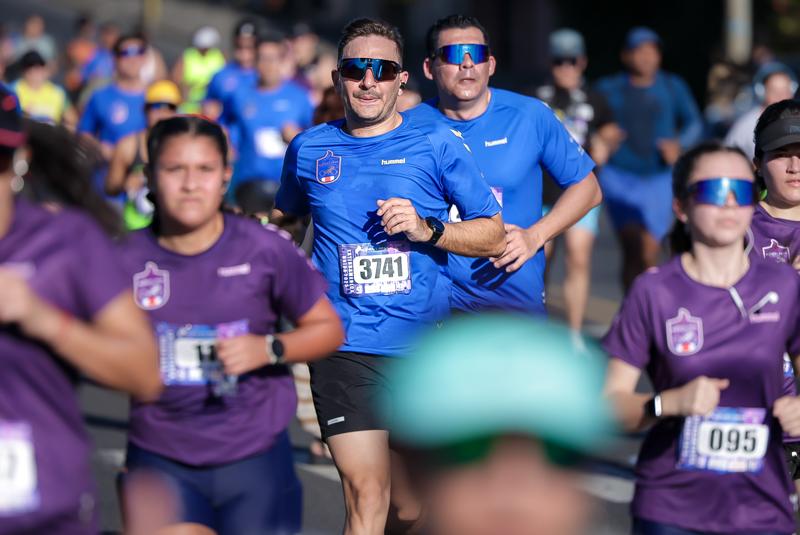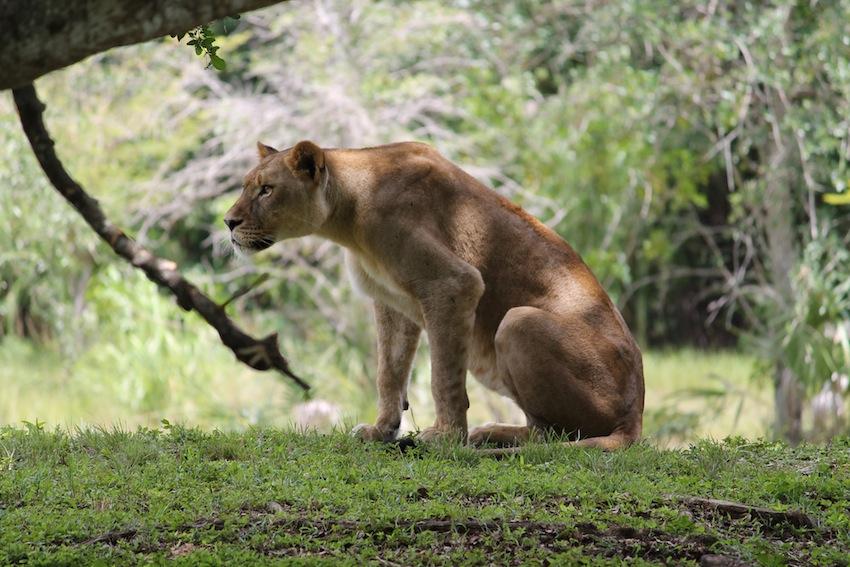
The similarity between a popular 10k race and a herd of wildebeest fleeing from a lion is astonishing. The essential difference is that wildebeest must flee as fast as possible from their predator, while in the race athletes must complete the ENTIRE set distance in the shortest time possible.
And a huge number of people don't notice that small detail. For them the starting gun is as if the lion were already biting their backside and they take off in a panic as if the race were only one kilometer. Right around the one-kilometer mark, by the way, they start to feel the weight of the mistake they made by starting so fast. And this is what many find hard to understand: a race is not won by the one who starts fastest, but by the one who finishes fastest (completing the set distance).
I recommend a better strategy for your next race: instead of playing the role of wildebeest, play that you are the lion. This lion, however, is not interested in catching a single victim as fast as possible, as happens in the African savanna, but rather seeks to devour as many victims as possible, especially in the second half of the race. To fulfill his mission and win the game, this clever lion will let dozens of wildebeest stampede past him in the first few kilometers because he knows that way he'll have more meat for the second half, which is when the wildebeest are exhausted. Then the hunt begins.
Since there's so much to choose from, set your sights on a particular wildebeest, hopefully about 30 or 50 meters ahead. Then make a surge until you catch your prey, and rest alongside it for a few seconds (minutes if necessary). Then set your sights on another victim and hunt it without mercy. Keep hunting every creature you can until the finish line and you'll be surprised by your final time. Each catch is like a burst of energy that lets you go for more and more and more.
The trick for this strategy to work is to run the first half at a moderately strong pace. That is, not at an easy jog, but not at full throttle either (which is the wildebeest's mistake). You must be in total control of your pace and have immense patience because, since you feel good and know you can go faster, you'll feel tremendous anxiety to speed up. Wait until the halfway point. In fact, write it down as a rule of the game: all runners you catch in the first half don't count. The tally starts from the midpoint of the course to the finish line.
Playing the role of lion will not only help you control your initial anxiety, but it will also make the second half much more entertaining and faster. If the strategy of hunting with strong surges doesn't work well for you, stalk your prey slowly until you catch it.
What matters is to set a goal a few meters ahead and reach it. If you managed to control your pace at the start, you will inevitably have a fruitful hunting day. If, on the other hand, you fail to catch anyone or rather get caught yourself, you'll need to better control your impulse in the first half or practice a bit more long runs in your training.
So the stage is set: will you be the prey or the predator?