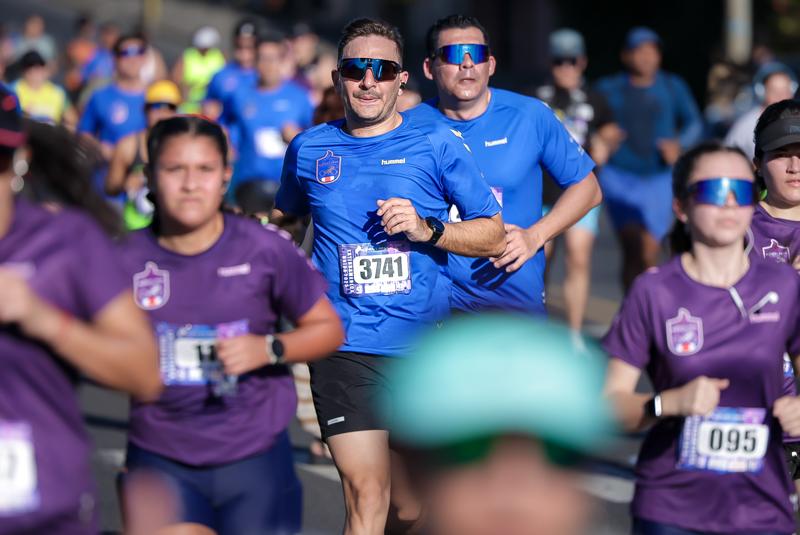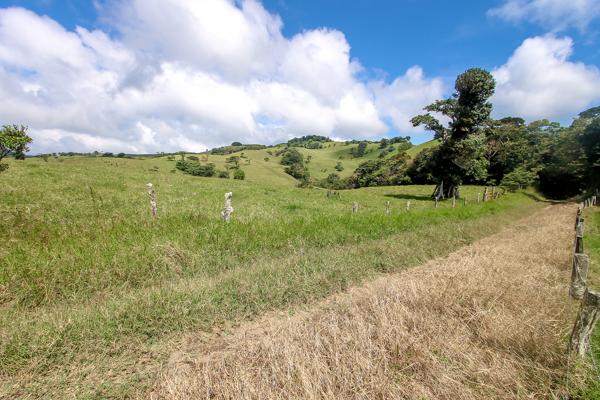
In Oregon, United States, ultramarathoner Todd Ragsdale went out for a routine training run on January 28th through the trails of a public park heavily frequented by trail runners. After nearly three days of searching, local authorities located his lifeless body at a point within the park.
Based on initial analysis, there appears to be nothing unusual about Ragsdale's death (no signs of violence or a hard fall), and we will have to wait for further analysis to reveal the true cause of death of the 46-year-old ultramarathoner. In any case, it is a good opportunity to reflect and always keep these tips in mind when training in remote places:
• If possible, run with a friend or a group of runner friends. They don't even have to run at the same pace, but just the fact that someone is waiting for your return can make the difference, as they would quickly raise the alarm if you are absent after a few hours.
• Run with your phone. It's not always the most comfortable, but it is the safest. Your phone could be a lifesaver if you get lost, as you would at least have the possibility of making an emergency call or sending a message to a family member or friend. If signal and battery are full, you can even download a map to find your way out.
• Tell someone where you're going. Before you leave, let someone know where you plan to train and what time you expect to return. If you are absent, that person will raise the alarm.
• Train in safe places. In Costa Rica it's complicated, but there are still private parks that offer some advantages, such as La Angelina in Ochomogo and Adventure Park in Heredia. There are more options; it's a good idea to look for private parks with well-marked trails and staff that is aware of your activity.
• Avoid training at night. With poor visibility it will be easier for you to get lost and attackers also tend to prefer these hours. Better plan everything to always have the advantage of daylight.