What do you need to start running? Well, just get up from the chair you're sitting in and do it. If you want to do it barefoot, in slippers, or however you like. Running is running, and we all learn to do it from our earliest years. What you need to start running is willpower, that's all.
But then, what do you need to run regularly, covering more distance each time, improving your fitness and without getting injured? That's when the answer changes a bit, and you could use some good advice.
Watch: Important for tracking time and knowing how far you ran. What if I just want to go out for a bit without worrying about time? That's valid, of course, but it's always better to have numbers, and in fact, keep a training log.
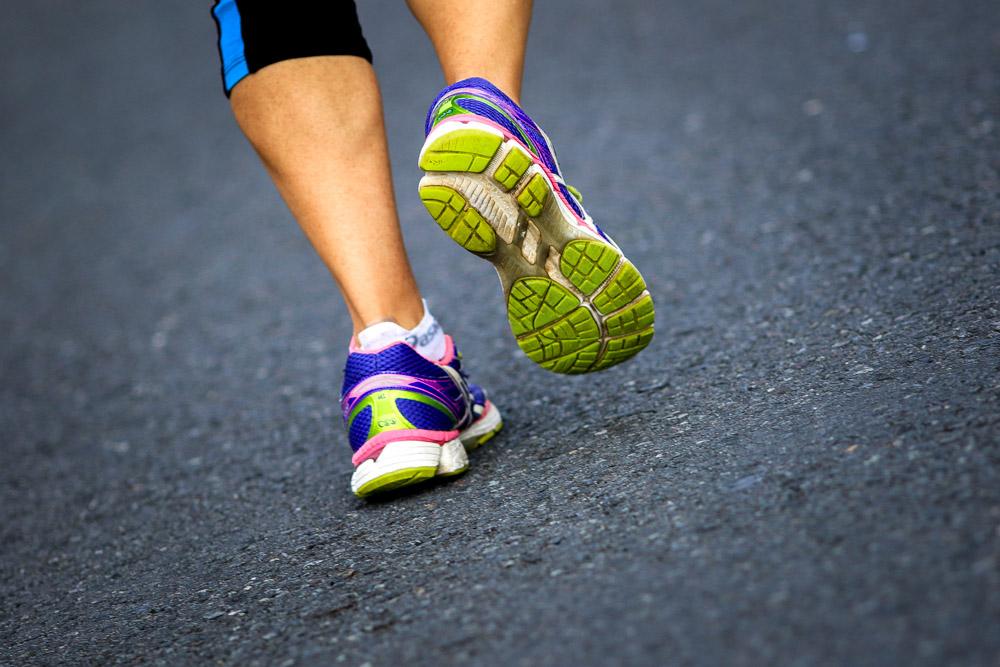
Running shoes: Buy running shoes. Can't I run in my old soccer or gardening sneakers? No. The risk of injury is much greater. You don't have to buy the ¢120,000 ones, but get yourself some simple ones that fit your foot type.
Clothing: You can run fine in your classic cotton shirts and old shorts. But you'll feel better and more comfortable in new-technology fabrics, because they're lighter, absorb sweat better, and, very importantly, make you feel more like a runner. Motivation is vital.
Where to run. Choose routes with low vehicle traffic. Preferably parks with trails or residential neighborhoods with sidewalks in good condition. Follow the tips for running safely on the street.
How to run. You just run. You're starting out and enjoy it. Of course there's technique, your stride should be this way and your posture should be that way. But don't overthink it, for now just feel good.
How much to run. Hire a trainer, it's better. But it's also valid to want to start on your own, by sheer determination. Feel good. Running shouldn't be an exhausting activity at first. This isn't the time to run fast or do long distances. What matters now is that you develop the habit. Run as much as feels good to you, even start by walking and progress little by little to running a minute here and a minute there until you can run continuously for as long as you want. Stick to a minimum of three times a week, without fail. It doesn't help much to run two days and then stop for three weeks. The great benefits of exercise are seen when you develop the habit of doing it regularly
What to eat. Eat normally as you have been. Starting to run shouldn't change your eating habits. Maybe you'll feel a bit hungrier because your calorie expenditure increased, but that's normal. Before running you can eat something light like a couple of pieces of toast with jelly a couple of hours before or a piece of fruit. You need to experiment. Some people can't tolerate even a fruit before exercising while others can eat a full meal and be fine. Try what works for you. The recommendation is to eat something light a couple of hours before.
Does running hurt? Well, that's a loaded question. It's not normal for any part of your body to hurt when you run, not even when you're starting out. But depending on your previous level of physical activity, your body type, and other mechanical and physiological aspects, something might hurt in those first runs. However, the pain should go away after a few days. If it persists, see a doctor, something's wrong. It's normal for some muscles to hurt after your first run, especially if you've been inactive for a long time. Take a day of rest and it will pass.
What else? Really, the only essential thing is the desire. Know that starting to run regularly will make you feel much better, will improve your quality of life, and you'll get a thousand benefits you probably never imagined. Welcome to the club. Enjoy it.