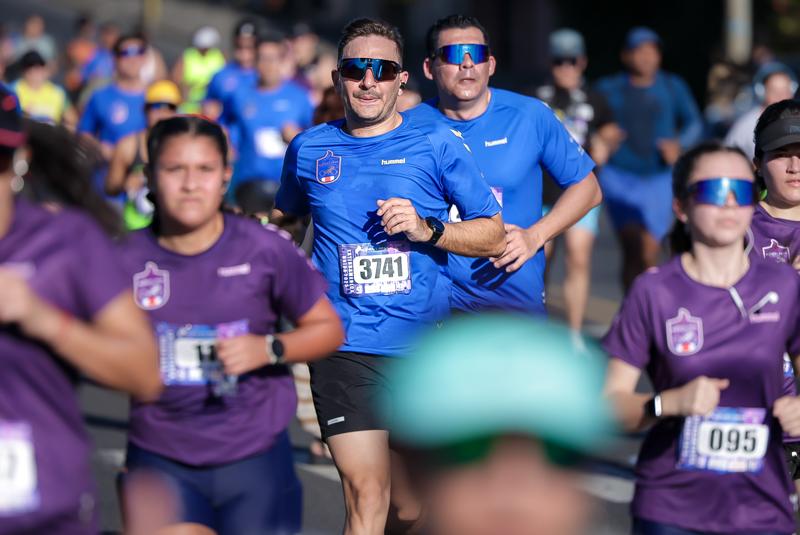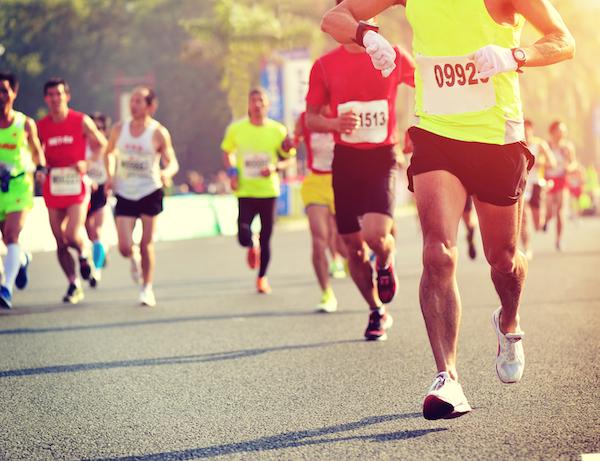
One of the characteristics we most criticize in Costa Rican runners, elites and the rest of the pack alike, is the habit of taking off like a bat out of hell in the first kilometer of the race only to collapse little by little in the relentless grip of fatigue and slow down to levels of despair. But isn't it better to start fast to take advantage of fresh legs? Who says that controlling your pace is better? What does science say?
The topic comes up because of a recent study recent study that tested this with a group of 15 "moderately trained" runners (45:01 as average time in 10k). To find out which strategy was better, they had them run two 10k tests: the first with the freedom to choose whatever pace they wanted, and the second forcing them to run the first kilometer faster (6% faster).
There was no relevant difference in the final test time (45:01 on average when they started freely and 45:11 when they started fast). But they did notice that seven participants responded favorably (improved their final time by 2.2% when they started fast), while the remaining eight were negatively affected by the fast start (their final time was 3.3% slower when they started fast).
The researchers suggest that the strategy is good or not depending on each person's characteristics. Athletes with better maximum oxygen consumption, for example, might have an easier time recovering from the stress of the fast start, stabilizing themselves and continuing the race as if nothing had happened, while those less trained might never recover from the stress of the start and suffer the consequences in their final time.
It's a small study and doesn't shed much light, but at least it reminds us that we're all different and no magic strategy works the same for everyone. The ideal thing is for you to try different strategies yourself so you get to know better how your body responds, and when the time comes you'll already know for sure what works best for you.
The idea that a controlled start is better comes largely from the influence of the world's best runners, who tend to run both halves almost equally or the second half even faster than the first. For example, when Kenenisa Bekele set the current world record for 10,000 meters (26:17.53), he ran the first half in 13:09 and the second in 13:08, and the first kilometer was one of the slowest.
China's Wang Junxia ran the second 5k of her world record (29:31.78) 39 seconds faster than the first 5k. In marathons the pattern repeats of running the second half faster. Dennis Kimetto ran the second half of his 2:02:57 faster than the first. He ran the first half in 1:01:45 and the second in 1:01:12. Paula Radcliffe, for her part, also ran the second half faster than the first when she achieved the incredible mark of 2:15:25 which still stands as the world record more than 15 years later. She ran the first half in 1:08:02 and the second in 1:07:23.
Will running with the strategy of the world's best serve all of us? In my case, since I discovered the pleasure of passing and passing people in the second half of races and noticed the improvement in my final times, I wouldn't trade this strategy for anything. But we're all different. In your case, do experiments in less important races or in training and discover which strategy allows you to achieve your best times.